Green Insights to Electronics Recycling
Green Initiatives: How E-Waste Recycling Services Are Protecting Our Planet
E-waste represents a considerable hazard to the environment, as discarded electronics often contain toxic materials. These toxic materials have the potential to taint soil and water sources, causing extensive damage to surrounding ecosystems. E-waste recycling services present a viable solution. They successfully retrieve useful resources while simultaneously minimizing environmental pollution. Gaining insight into how these programs function and affect local communities is critical. The journey towards effective e-waste management raises critical questions about individual responsibility and collective action. What actions should be considered going forward?
The Reasons E-Waste Is Damaging to the Planet
Although technology enhances our daily lives, electronic waste presents significant environmental threats. Disposed electronic equipment, commonly laden with dangerous compounds like lead, mercury, and cadmium, may release harmful substances into the surrounding soil and water supply, creating hazards for both wildlife and human well-being. The accelerating rate of technological innovation contributes to greater consumer replacement of electronic devices, exacerbating the accumulation of e-waste.
Landfills, already overwhelmed with refuse, find it difficult to handle the increasing amounts of discarded devices. Incineration, another disposal method, releases harmful pollutants into the atmosphere, contributing to air quality degradation. Moreover, poor recycling procedures can cause e-waste to be sent to developing regions, where employees may disassemble electronics without sufficient safety precautions, leaving them vulnerable to harmful substances. This cycle of neglect and improper handling underscores the urgent need for sustainable recycling solutions that can mitigate the adverse effects of e-waste on the planet.
What Is E-Waste and Why Is It Important?
E-waste, also referred to as electronic waste, comprises discarded electronic devices including smartphones, computers, and televisions that have reached the end of their useful life. This increasingly prevalent form of waste is important owing to its accelerating volume, propelled by advances in technology and evolving consumer behaviors. With an increasing number of devices reaching obsolescence, the ecological consequences become more pronounced, with dangerous elements including lead, mercury, and cadmium posing risks to ecosystems and human health.
The importance of addressing e-waste lies not only in mitigating these hazards but also in recognizing the valuable materials it contains. Valuable metals and rare earth materials can be extracted and repurposed, lessening the demand for mining and preserving natural resources. By understanding e-waste and its implications, individuals and organizations can make informed decisions about disposal and recycling, ultimately contributing to a more sustainable future. Effective handling of e-waste is vital for encouraging a circular economy and advancing environmental responsibility.
How E-Waste Recycling Works
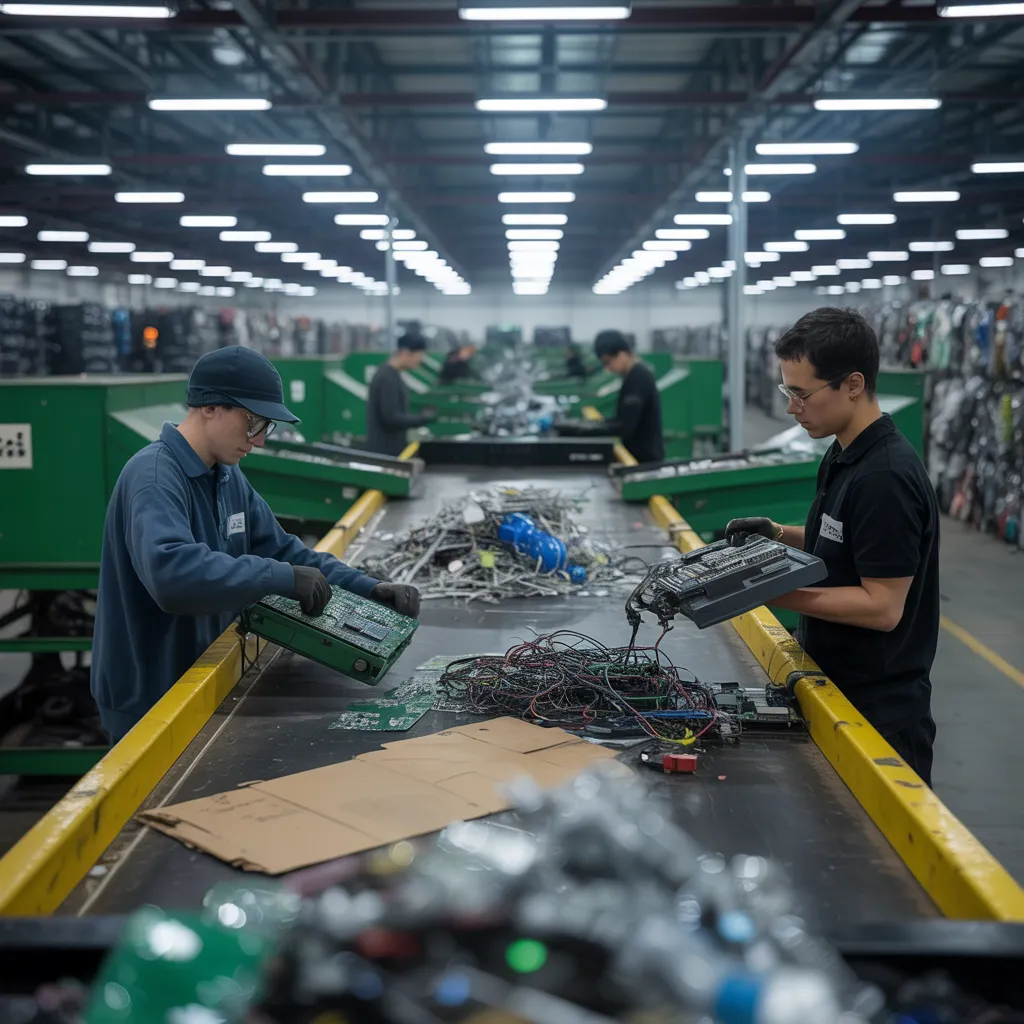
E-waste recycling entails a systematic process intended to extract beneficial components while limiting ecological damage. To begin, e-waste is collected and transported to dedicated processing centers. After reaching the facility, the equipment is meticulously organized to isolate dangerous parts from recoverable materials.
Next, workers deconstruct the items, separating glass, metals, and plastics. This process is vital, as it facilitates the recovery of precious metals like silver, gold, and copper, which can be reused in modern electronics.
Following this, the isolated materials are treated through sophisticated techniques, such as mechanical shredding and chemical processing, to purify them for recycling.
Ultimately, the leftover dangerous materials are managed properly, following environmental regulations. This comprehensive process not only conserves resources but also minimizes the hazards connected to irresponsible electronic waste disposal, securing a more eco-conscious future for the consumption of electronics.
Why E-Waste Recycling Matters for You and Your Community
Though many people are unaware, the benefits of e-waste recycling extend beyond personal convenience to positively impact entire communities. By responsibly disposing of electronic waste, individuals contribute to a cleaner environment, decreasing harmful substances that can contaminate soil and water. This responsible method helps preserve local ecosystems and supports public health.
Additionally, the recycling of e-waste encourages the creation of jobs in communities. Nearby recycling establishments regularly need employees for numerous tasks, from collection to processing, thus generating valuable job opportunities to area workers. This not only boosts the local economy but also promotes community participation in sustainable initiatives.
Moreover, knowledge about e-waste recycling has the potential to generate community outreach programs, empowering residents to pursue greener alternatives. By engaging with e-waste recycling programs, individuals foster a culture of sustainability, motivating others to embrace similar practices. Ultimately, the combined impact of these actions can result in a more robust and eco-friendly community.
How to Choose an E-Waste Recycling Service
Selecting the right electronic waste recycling provider is crucial for guaranteeing that electronic waste is handled in a responsible and sustainable manner. First, people should confirm the company's accreditations, such as R2 and e-Stewards certifications, which signify conformance to established benchmarks for safe recycling practices. Additionally, it is advisable to assess the company's reputation by reading customer reviews and obtaining recommendations from trusted sources.
Next, clarity in the recycling process is essential. A dependable service should offer detailed insights about the manner in which e-waste is managed and what happens to the materials. Moreover, assessing the variety of services available can be advantageous; some companies may provide pickup services or offer incentives for recycling.
Ultimately, familiarizing yourself with regional rules concerning e-waste disposal may further shape the decision-making process. When these considerations are given priority, individuals can contribute to effective e-waste management while also advancing green and responsible behaviors.
Ways You Can Participate in E-Waste Recycling?
Participating in e-waste recycling may begin at the local level, where community recycling hubs frequently offer essential services for responsible disposal. Additionally, participating in community awareness campaigns can enhance efforts to educate others about the importance of ethical e-waste practices. These initiatives not only promote sustainability but also build a collective sense of accountability for the environment.
Community Recycling Locations
Several local recycling centers serve a vital function in electronic waste recycling, giving communities practical solutions to handle electronic waste in a responsible manner. These stations receive a variety of electronic devices, including outdated computers, mobile phones, and TVs, ensuring that harmful materials are handled safely. Many hubs feature experienced team members who are able to assist individuals with correct disposal techniques, highlighting the value of recycling rather than landfilling. Furthermore, several stations organize organized drop-off opportunities or appointed collection periods, making it easy for residents to participate. By engaging with these local facilities, people help build a circular economy, minimizing Read the guide ecological impact and fostering sustainable behaviors. Partnering with these facilities allows communities to address e-waste pollution proactively.
Public Awareness Initiatives
Community groups, educational institutions, and companies can collaborate to host events that promote e-waste collection drives. Community members can serve a critical function in raising awareness, sharing informational resources, and connecting with local residents. As a result of these combined actions, local inhabitants gain greater awareness and encouragement to properly recycle their e-waste, ultimately contributing to a more sustainable future.
Frequently Asked Questions
What Electronic Devices Are Eligible for Recycling?
Many different electronics can be recycled, including smartphones, computers, laptops, televisions, printers, and gaming consoles. Furthermore, accessories such as keyboards, mice, and batteries are well-suited for recycling, contributing to sustainable environmental practices.
Are There Any Costs Associated With E-Waste Recycling?
That's correct, e-waste recycling sometimes comes with costs, based on the facility. Some service centers impose charges for pickup or handling, while other facilities offer free services, often subsidized by the sale of reclaimed components.
What Are the Benefits of E-Waste Recycling for Businesses?
Businesses can benefit from e-waste recycling by reducing disposal costs, strengthening their ecological standing, adhering to regulatory requirements, recovering valuable materials, and potentially generating revenue through resale, ultimately contributing to a more sustainable operational strategy.
What Happens to Data on Recycled Devices?
Data regarding refurbished devices is often irretrievably wiped or obliterated during processing. This guarantees private details is kept safe, preventing unauthorized access while permitting resources to be repurposed safely and responsibly across new manufacturing processes.
Are Broken Electronics Eligible for Recycling?
Indeed, broken electronics are able to be recycled. A wide range of collection points receive broken devices, providing safe disposal and retrieval of valuable materials. It helps minimize harm to the environment while supporting sustainable recycling habits to control e-waste responsibly.